The History of the Potato, from the Andes to Today
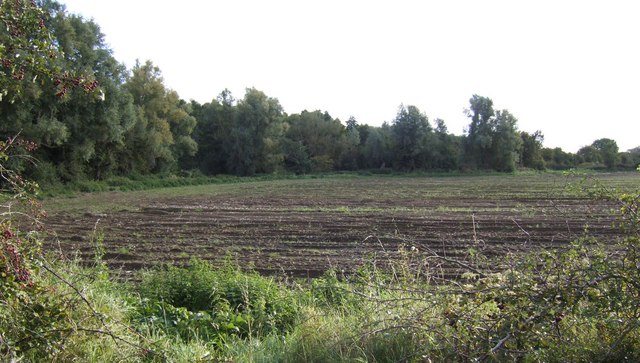
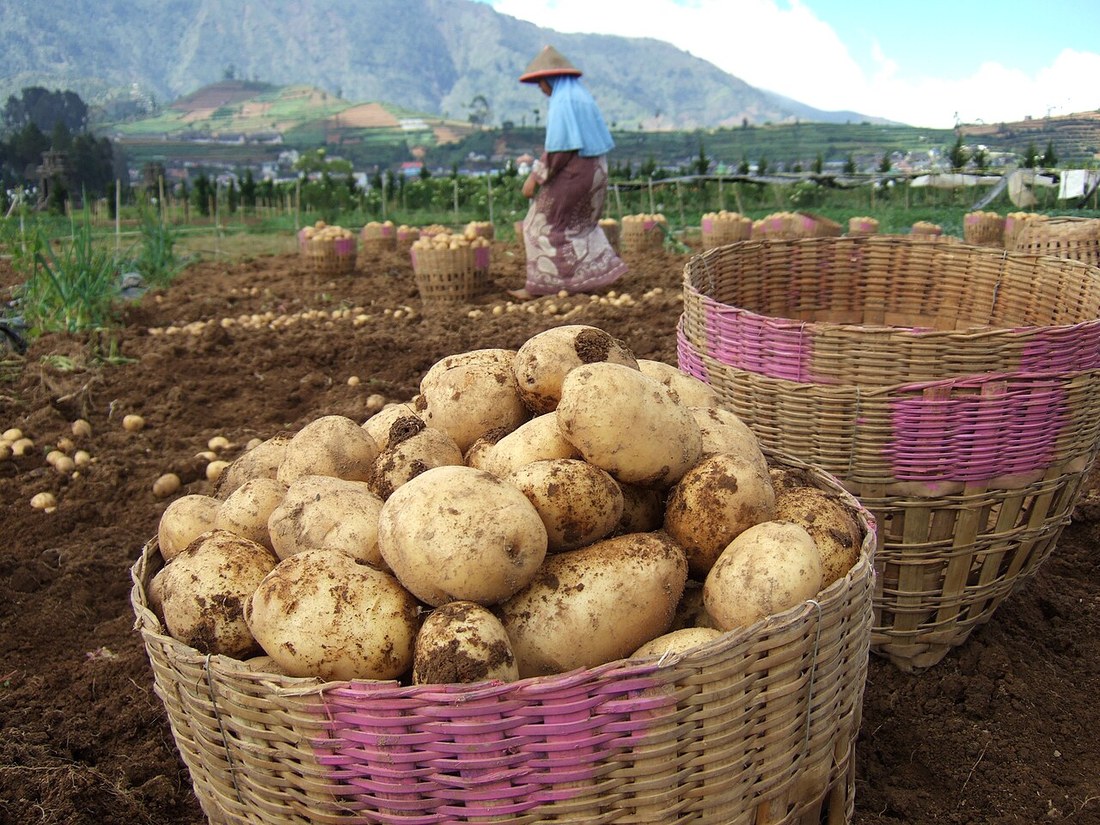
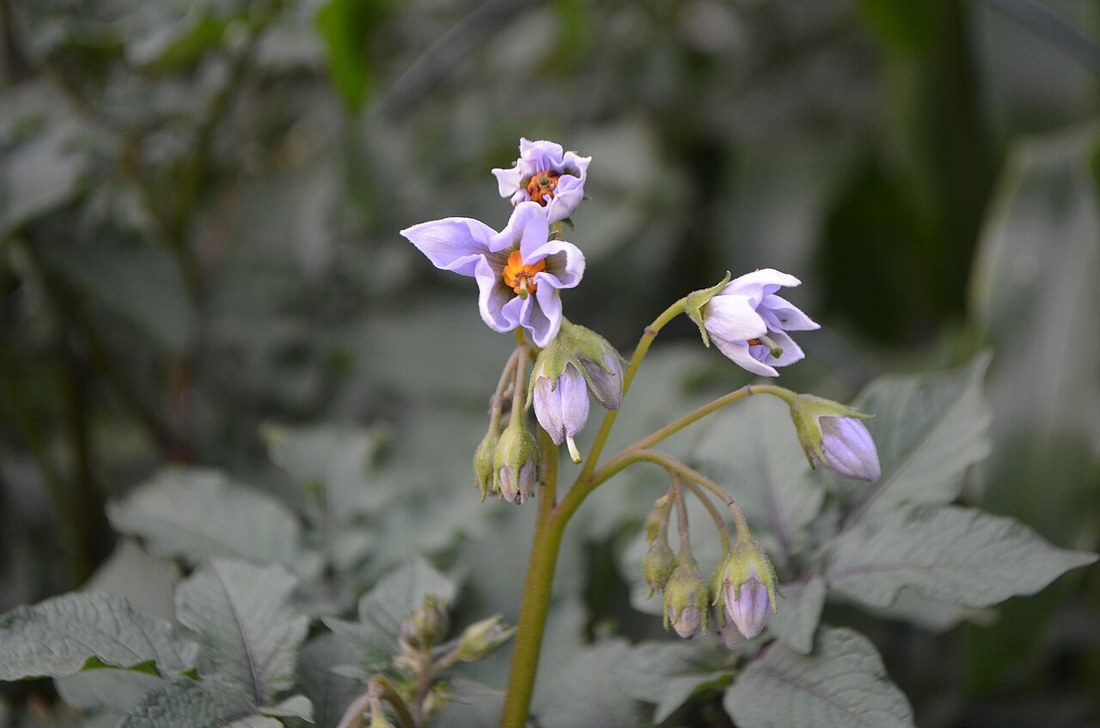
The potato is the most ordinary thing on your plate and one of the most extraordinary things in history. It was domesticated in the high Andes thousands of years before writing, it fed the Inca Empire, it crossed the Atlantic in Spanish ships, it fed Europe's population boom, it caused the worst famine in 19th-century Europe, and today it is the world's fourth most important food crop, feeding over a billion people. This site tells that story in eleven chapters, from the first Andean farmers to the potato industry of today. Start anywhere; the story makes sense in any order, but it is best read from the beginning.
Start here
Five numbers tell the story. The potato was domesticated in the Andes of Peru and Bolivia between 8000 and 5000 BCE — the world's first domesticated root vegetable. A Canary Islands record of 1567 already notes potatoes shipped to Antwerp, the earliest record of the crop outside South America. Ireland's population grew from about 2 million in the early 1700s to about 8.5 million by the 1840s on a diet of potatoes and milk. The Great Famine of 1845–1852 killed about one million people and drove over a million more to emigrate. And the world now grows about 383 million tonnes of potatoes a year — China alone about 93.5 million.
Potatoes in history
- Potatoes in the Ancient Andes — domesticated between 8000 and 5000 BCE in Peru and Bolivia, and the freeze-dried chuño that fed the Inca Empire.
- The Potato Reaches Europe — Spanish ships brought it to Europe in the 1500s, and Europeans feared it for 200 years before it became their staple.
- The Potato in Ireland — the tuber that became the whole diet of the rural poor, and the Lumper variety the country came to depend on.
- The Great Famine, 1845–1852 — blight destroyed the crop, about a million died, and over a million emigrated.
Potatoes in use
- Potato Varieties Around the World — over 4,000 varieties, from Russet Burbank to the purple potatoes of Peru.
- How Potatoes Grow — seed potatoes, hilling up, and harvest in 70 to 120 days.
- Potatoes and Nutrition — fat-free, rich in vitamin C and potassium: the plain potato is far healthier than its reputation.
- Potatoes in World Cuisine — causa in Peru, colcannon in Ireland, aloo gobi in India, gnocchi in Italy.
- Chips, Crisps and French Fries — the Belgium–France fry dispute and the crisps invented in Saratoga Springs in 1853.
Potatoes in the modern world
- The Potato Industry Today — about 383 million tonnes a year, led by China and India, and the factories that make fries and crisps.
- The Potato Today — the world's fourth staple crop, the first food grown in space, and what comes next.
What this site will not do
Potato Decoded is general information for curious readers, not advice of any kind — it will not tell you what to eat, what to plant commercially, or how to treat any medical condition; for health questions, ask your own doctor. It recommends no products, ranks nothing, carries no affiliate links, and never collects your email address. Dates before the modern era are approximate, and the guides say so where the evidence is uncertain; where historians disagree — as over how the potato first reached Ireland — the guides name the debate instead of picking a side.
All dates on this site were checked against the sources named on each page on 27 November 2026. Dates before the modern era are approximate, and each guide says where the evidence is uncertain or historians disagree.
Sources: This site's facts come from reference sources named on each page: the Encyclopaedia Britannica, Wikipedia, the Food and Agriculture Organization of the United Nations, the US Department of Agriculture, the International Potato Center, and Potatopedia.