Chips, Crisps and French Fries
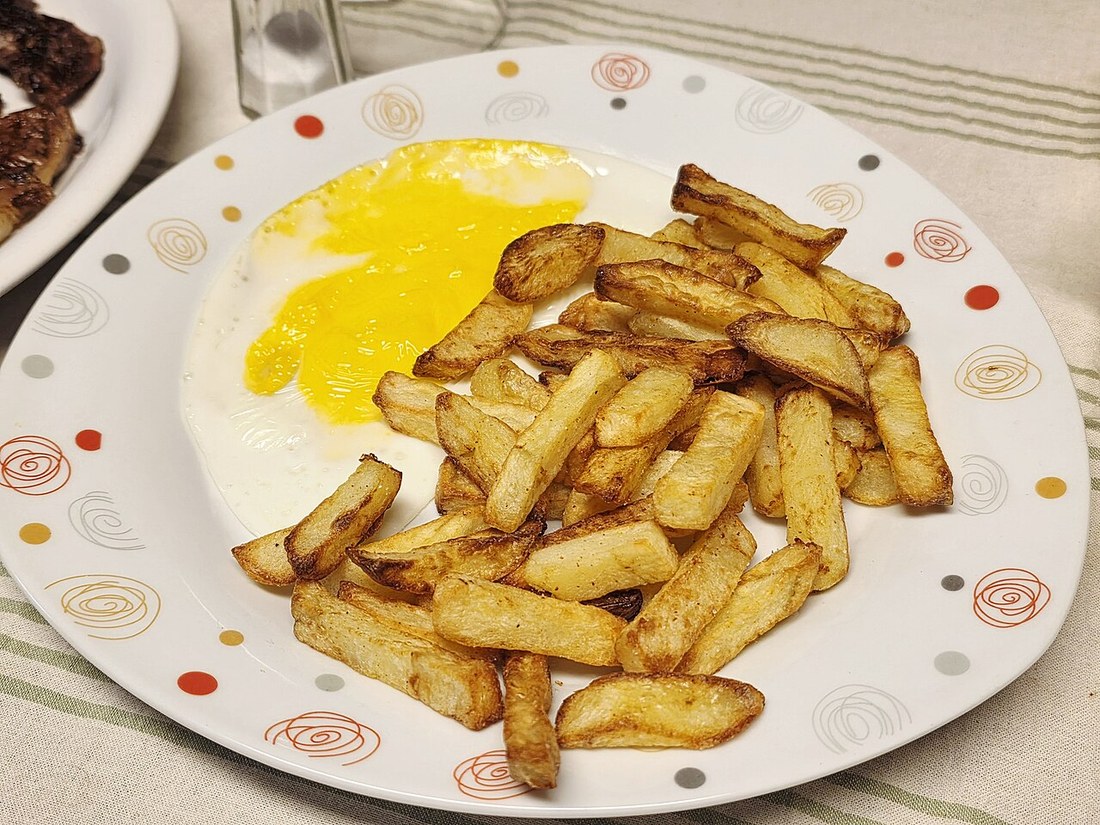
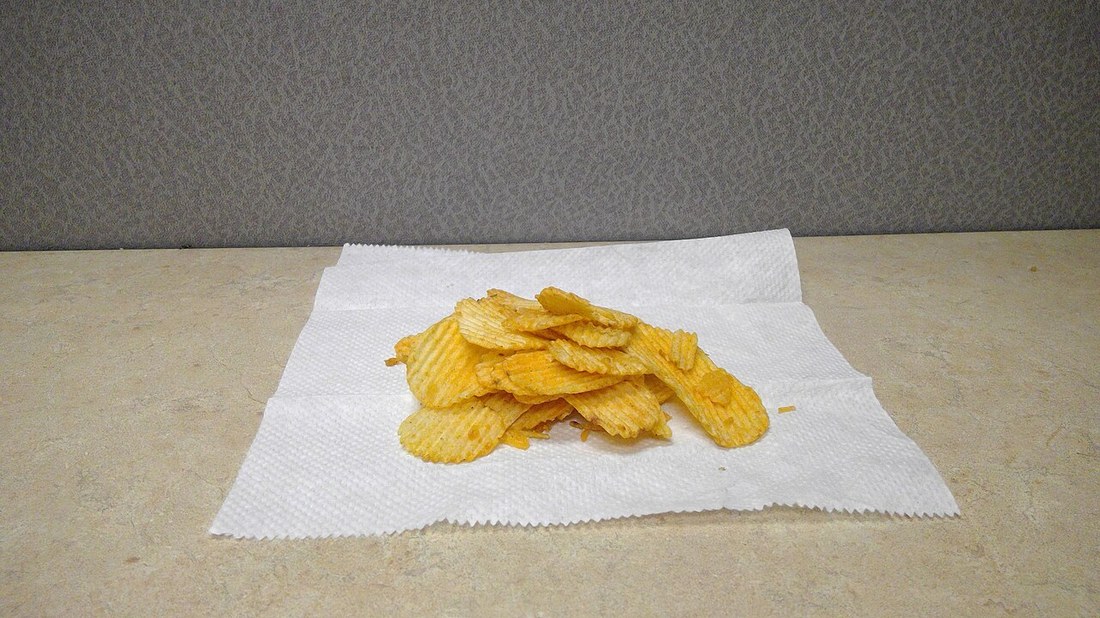
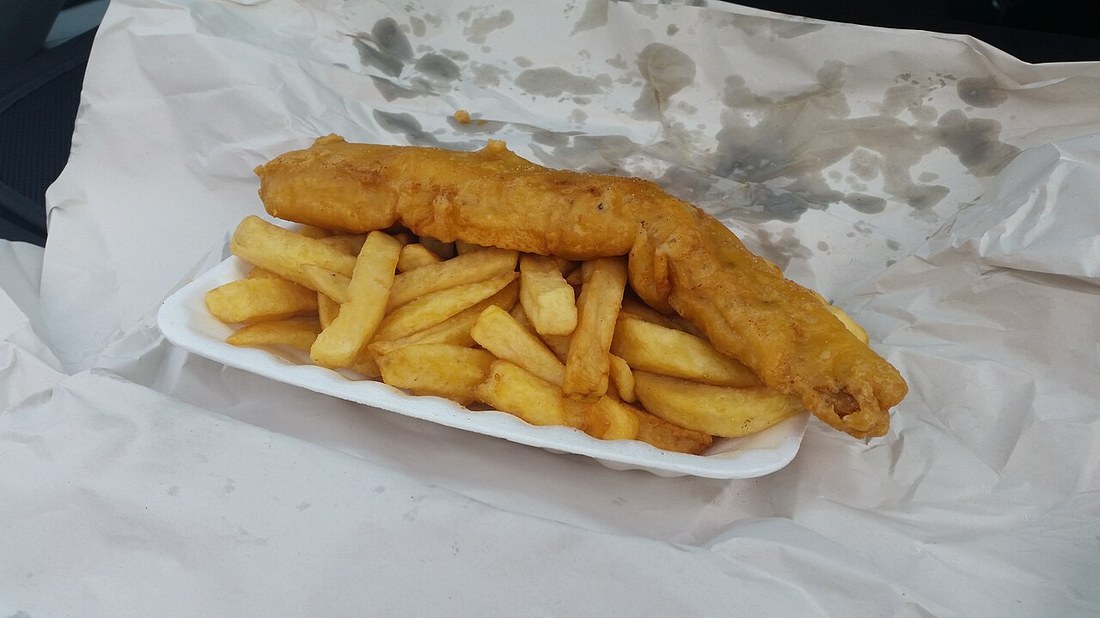
The potato's two most famous forms are both fried, both disputed, and both loved everywhere. French fries are claimed by two countries, and potato crisps were invented when a chef got annoyed with a fussy customer. Together they turned a humble tuber into the world's biggest snack — and its most argued-over food.
In short
French fries — fried potato sticks — are claimed by both Belgium and France, and the dispute is still unresolved; Belgian tradition dates them to the late 17th century, while France points to Paris street vendors of the late 18th century. Potato crisps (called chips in the United States) were created in 1853 by chef George Crum at Moon's Lake House in Saratoga Springs, New York, after a customer kept sending back fries for being too thick.
The French fry dispute
Belgium and France have argued over the french fry for more than a century. Belgian tradition says villagers in the Meuse valley were frying potatoes as early as the late 17th century, when the frozen river stopped them fishing and they cut potatoes into fish shapes instead. France points to fried potatoes sold by street vendors on the Pont-Neuf in Paris in the late 18th century, and to the fact that the rest of the world calls them "French" fries. There is no document that settles the question, and both countries treat it as a matter of national pride — Belgium even has a fries museum in Bruges.
What is certain is that the dish spread through the 19th century, that British fish-and-chip shops made thick-cut chips a national meal, and that American fast food made thin fries a global one. The variety matters: the best fries come from floury potatoes like Russet Burbank, fried twice — once at a lower temperature to cook them through, once hotter to crisp the outside.
The crisp is born in Saratoga Springs
The potato crisp has a better-documented birth. In 1853, at Moon's Lake House in Saratoga Springs, New York, the chef George Crum — of Native American and African American heritage — was cooking for a demanding customer who kept sending his fried potatoes back, complaining they were too thick. Crum sliced the potatoes paper-thin, fried them until crisp, and salted them heavily, expecting the customer to reject them. The customer loved them, asked for more, and the "Saratoga chips" were born.
The story is supported by 19th-century newspaper accounts, including the Saratogian, and by Crum's own later testimony. It took decades for crisps to go from a restaurant speciality to a packaged snack — the first packaged crisps were sold in the 1890s — and then they became a multi-billion-dollar industry. The name differs by country: in the United States they are "potato chips", in Britain "crisps", and in Britain "chips" means what Americans call fries.
From snack to industry
Today, a large share of the world's potato crop is processed: about a fifth of potatoes in developed countries are turned into frozen fries, crisps, and other products. The frozen fry industry runs on specific varieties — Russet Burbank in the United States, Innovator and Agria in Europe, Shepody in Canada — bred for long shape, low sugar, and the right starch. The crisp, the fry, and the chip are the potato's most profitable forms, and also its least healthy: frying adds the oil, and salt adds the sodium. The potato itself is innocent; the fryer is where the calories come from.
Sources: Spice, "Potato Chips Invented in 1853: Verified History"; Spice, "The Verified Origin of Potato Chips: History and Facts"; Wikipedia, "History of the potato" Checked 27 November 2026.