Potatoes in the Ancient Andes
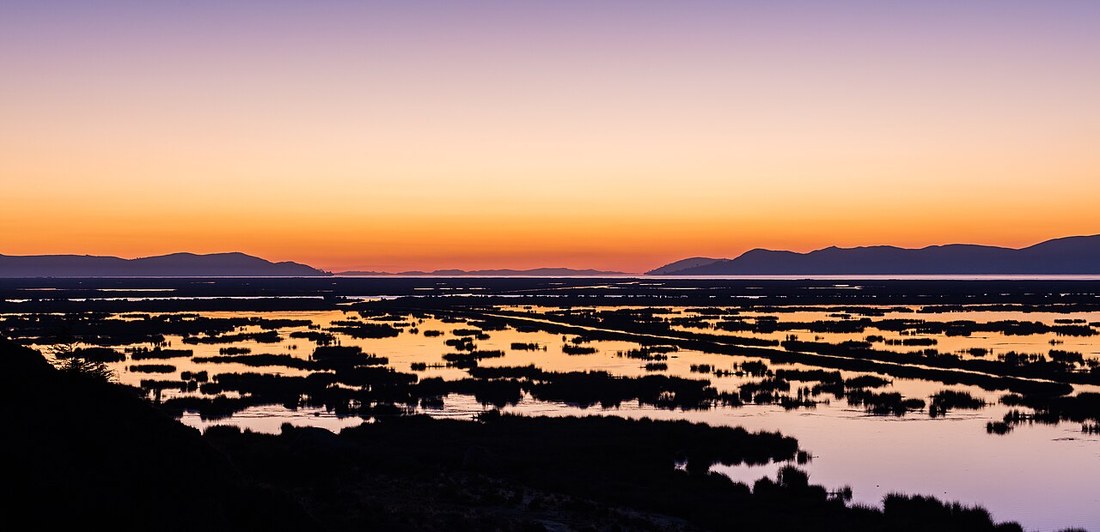
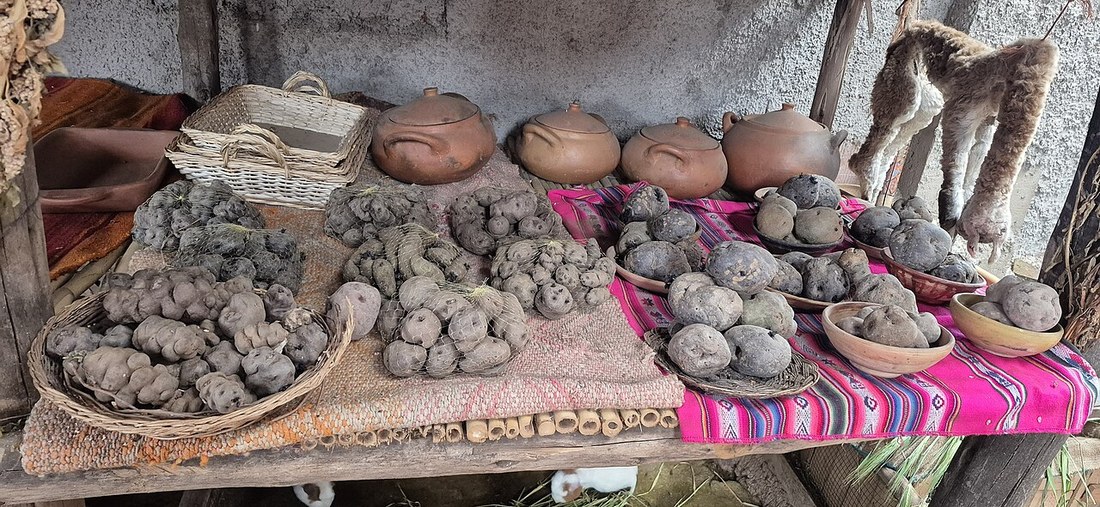
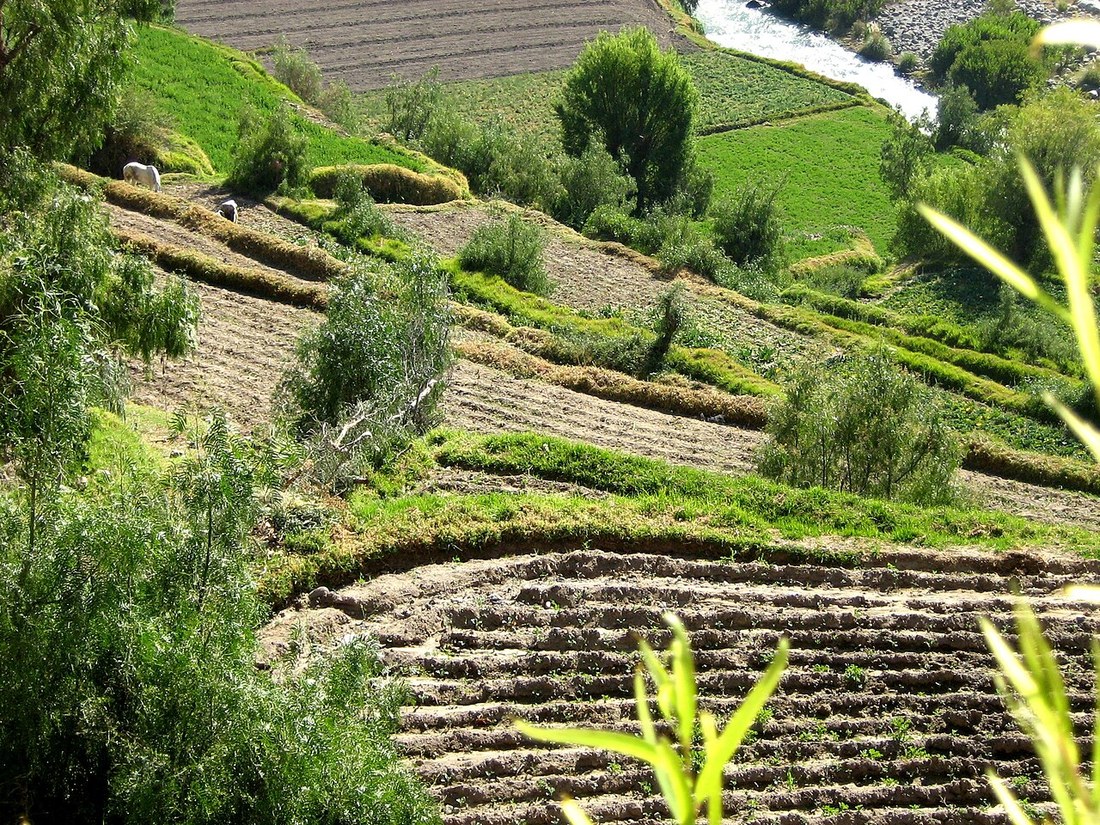
The potato began high in the Andes, in thin air where frost comes in any month and most crops refuse to grow. Long before Europe had ever heard of it, Andean farmers turned a bitter wild tuber into the food that fed empires — and they did it without ploughs, without wheels, and without writing. The potato is the oldest story in this site, and the one everything else grows out of.
In short
The potato was domesticated in the Andes of what is now southern Peru and northwestern Bolivia, between 8000 and 5000 BCE — the first domesticated root vegetable in the world. Andean farmers selected edible tubers from bitter wild relatives, bred thousands of varieties for different heights and frosts, and invented chuño, a freeze-dried potato that kept for years. The potato was the main energy food of the Inca Empire.
The first farmers of the high Andes
The potato (Solanum tuberosum) was domesticated in the region of modern-day southern Peru and extreme northwestern Bolivia, between 8000 and 5000 BCE. Genetic research published in 2005 traced the cultivated potato to a single domestication event from a member of the wild Solanum brevicaule complex, in the highlands south of Lake Titicaca. The earliest archaeologically verified potato tuber remains were found at Ancón, on the coast of central Peru, and date to about 2500 BCE — but the farming itself is far older, and cultivation in South America may go back 10,000 years, though tubers rot quickly and leave little trace.
That is a remarkable achievement. The wild relatives of the potato are loaded with bitter, poisonous glycoalkaloids — the same family of compounds that makes green potatoes dangerous today. Early farmers had to select, generation after generation, for plants with larger tubers and less bitterness. They did it at altitudes above 3,500 metres, on thin volcanic soil, where night frosts can strike in any season. No other staple crop in the world was domesticated in such a harsh place.
Chuño: the world's first freeze-dried food
About 4,000 years ago, farmers on the high altiplano developed one of the most sophisticated food technologies of the ancient world: chuño. They spread bitter, frost-resistant potatoes outdoors at night, where the thin mountain air froze them solid, then let them thaw in the morning sun and trampled out the water. Repeated over several nights, the process removed the bitter compounds and left a light, dry tuber that could be stored for years — some say for decades.
Chuño mattered because it turned a perishable harvest into a storable one. Armies, cities, and empires run on stored food, and chuño was the stored food of the Andes. It is still made the same way in the high Andes today, and the International Potato Center in Lima keeps the knowledge alive alongside thousands of native varieties.
The food of the Inca Empire
By the time of the Inca Empire in the 15th century, the potato was the principal energy source of the Andes, alongside quinoa and the animals llamas and alpacas. The Inca stored potatoes in state warehouses called qullqas, which let them feed armies and survive bad years. Andean farmers grew dozens of varieties at once, spread across different altitudes, so that if frost or disease took one crop, others survived — a strategy modern farmers call risk dispersion, and one the Andes had practised for thousands of years.
The potato was also part of Andean culture in a way few crops are anywhere: it appears in pottery shaped like tubers, in festivals, and in the Quechua and Aymara languages, where there are many words for different kinds of potato. When Spanish invaders arrived in the 1530s, they found a crop that was already the foundation of a civilisation — they just did not yet know what they had found.
Sources: Wikipedia, "History of the potato"; Potatopedia, "Andean Potato Origins: 8,000 Years of History"; Wikipedia, "History of agriculture" Checked 27 November 2026.