The Great Famine, 1845–1852
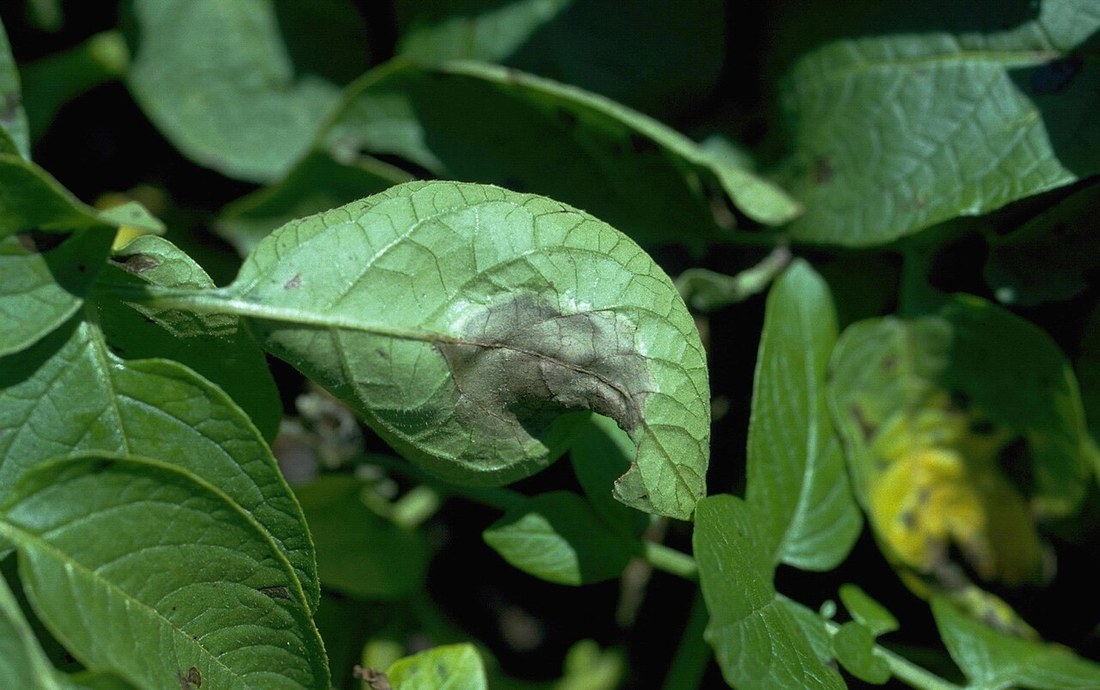
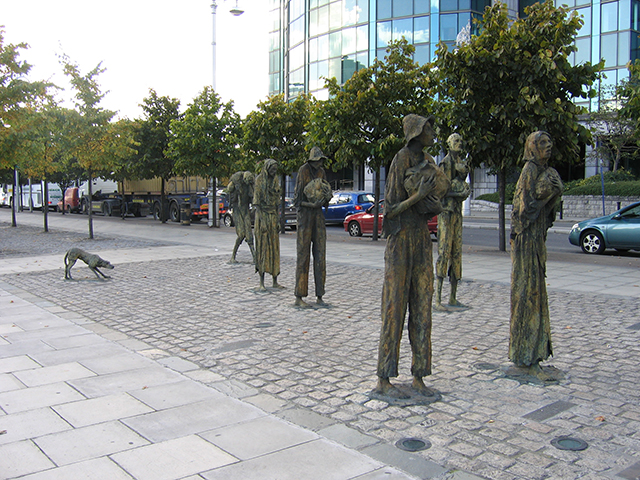
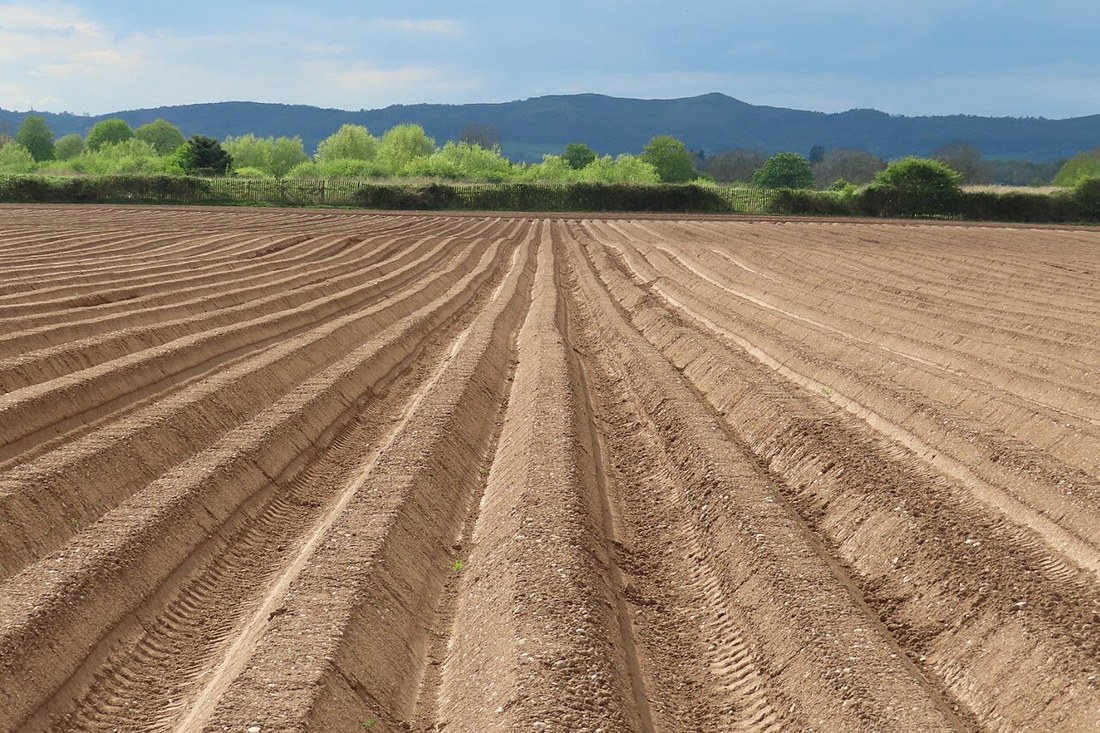
In September 1845, Irish farmers noticed black spots on their potato leaves. Within days the tubers were rotting in the ground. The crop failed again in 1846, and again in the years that followed. By the time the famine ended in 1852, about a million people were dead and over a million had left Ireland forever. It was the worst famine in 19th-century Europe — and it happened in a country that was still exporting food.
In short
The Great Famine (Irish: an Gorta Mór, the Great Hunger) lasted from 1845 to 1852. Its proximate cause was potato blight, the water mould Phytophthora infestans, which destroyed the potato crop in successive years. About one million people died — most from typhus and other famine-related diseases rather than literal starvation — and over a million more emigrated, cutting Ireland's population by 20–25%.
The blight arrives
Potato blight is caused by the water mould Phytophthora infestans, which destroys both the leaves and the tubers of the potato plant. The strain that struck in 1845 arrived in Ireland from North America and thrived in that year's unusually cool, moist weather. It destroyed about half the crop in its first year, and about three-quarters of it in the years that followed. The blight hit potato crops across Europe, causing about 100,000 deaths outside Ireland, but nowhere was it as devastating as in Ireland, where a third of the population lived almost entirely on potatoes.
The crop failed four times during the famine years, and the worst year was 1847 — "Black '47" — when the combination of starvation, typhus, cholera, and dysentery killed the most people. Infectious disease, not literal starvation, caused the largest share of the deaths: weakened, crowded, and cold, people died of fevers that a well-fed body might have survived.
Why the famine was so deadly
The blight was the trigger, but the famine's scale came from the system around it. Ireland was part of the United Kingdom, ruled from London, and its land was mostly owned by absentee landlords. Tenant farmers grew potatoes to eat and grain and livestock to pay the rent — and the grain and livestock kept being exported while people starved. The British government's relief was slow, inadequate, and shaped by the economic ideas of the time: officials feared that generous relief would discourage work and trade, so they offered public works at low wages and imported Indian corn (maize) that many people did not know how to cook.
Historians still argue about how much blame belongs to policy and how much to the blight itself. What is not disputed is that the death toll was about a million, that at least 2.1 million people left Ireland between 1845 and 1855, and that the population fell from about 8.5 million before the famine to about 6.6 million by 1851 — and kept falling for a century afterwards. Some towns lost as much as two-thirds of their people.
The famine's long shadow
The Great Famine remade Ireland. It emptied the countryside, filled the emigrant ships to America and Britain, and became a defining event of Irish history and identity — remembered in folk memory, in song, and in the Irish diaspora around the world. It also changed farming: Ireland never again depended on a single potato variety, and the Lumper was replaced by blight-resistant varieties. The lesson the famine taught the world — that a whole people should never depend on a single crop — is still the reason genebanks like the International Potato Center in Lima keep thousands of varieties alive today.
Sources: Wikipedia, "Great Famine (Ireland)"; Britannica, "Great Famine"; Encyclopedia.com, "Famine in Ireland" Checked 27 November 2026.