Potato Varieties Around the World
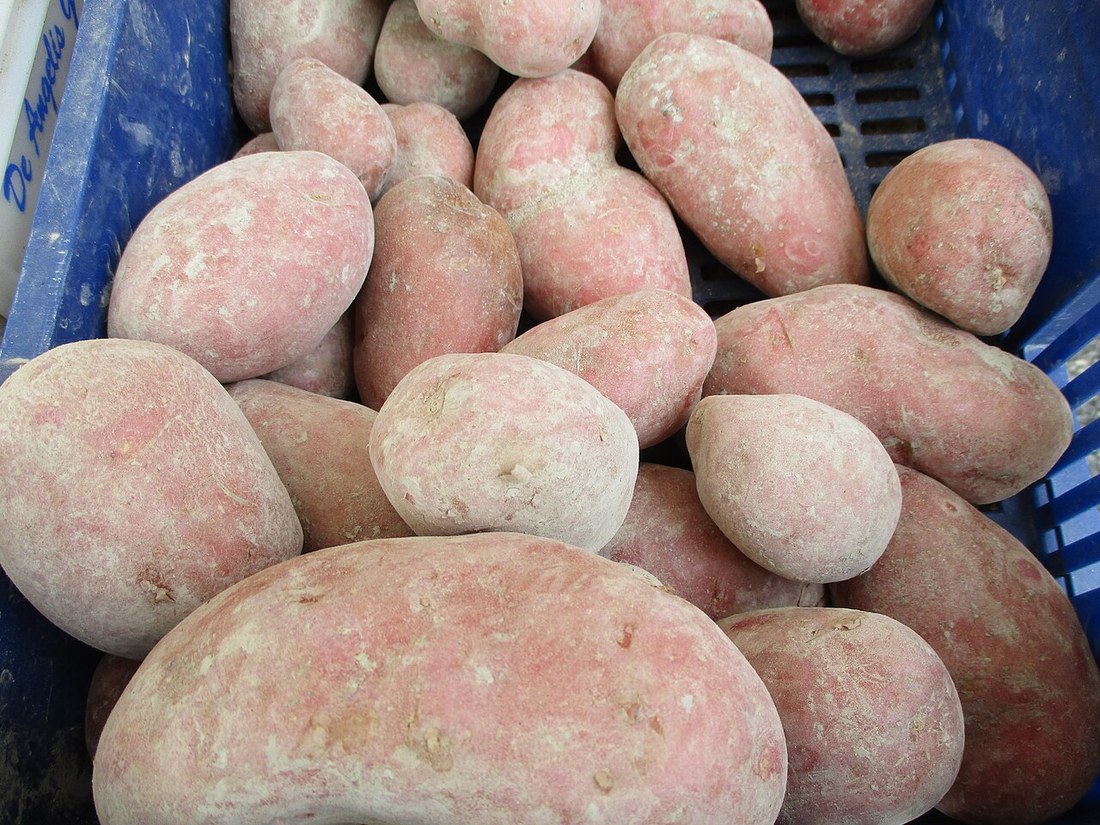
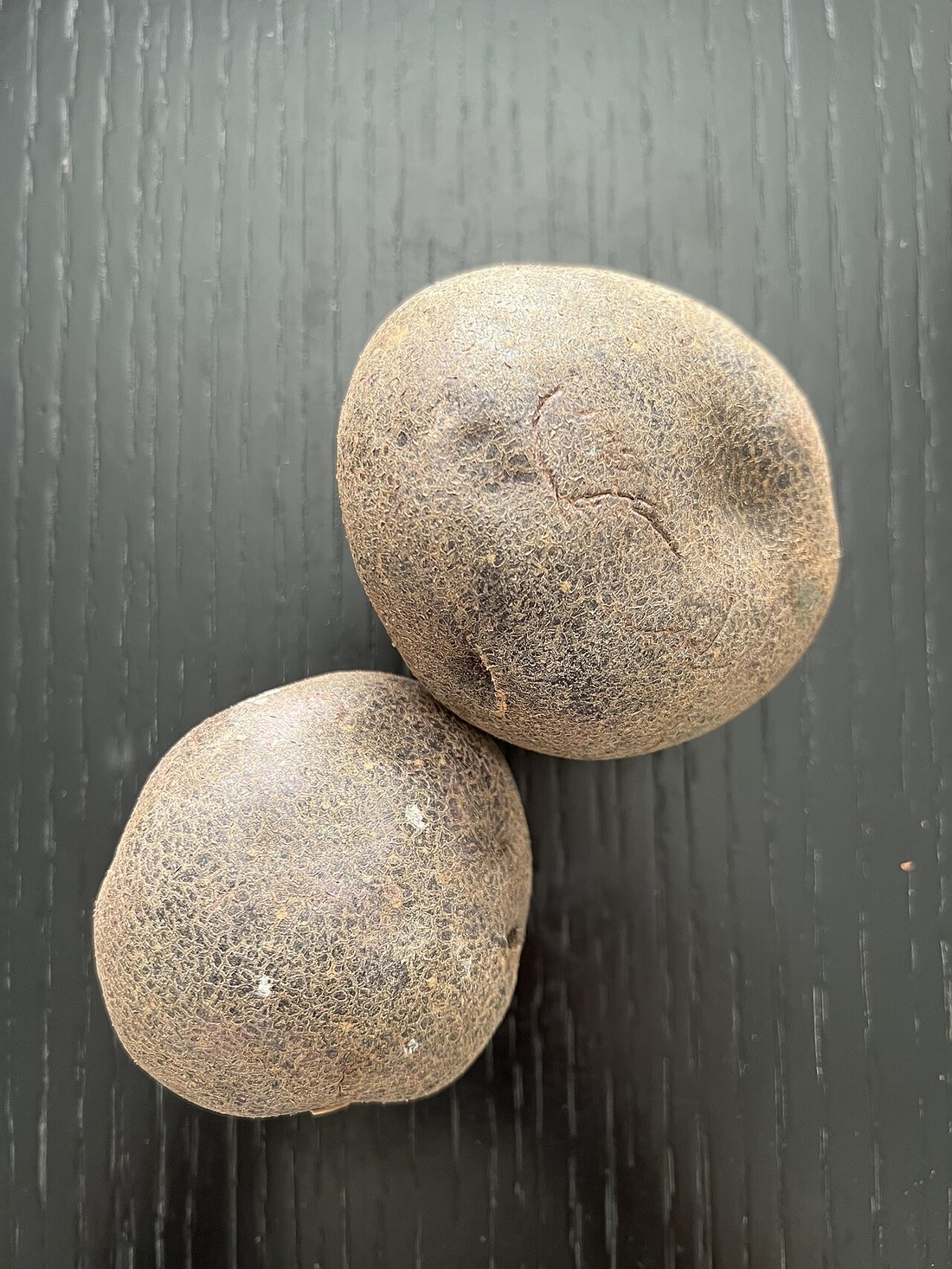
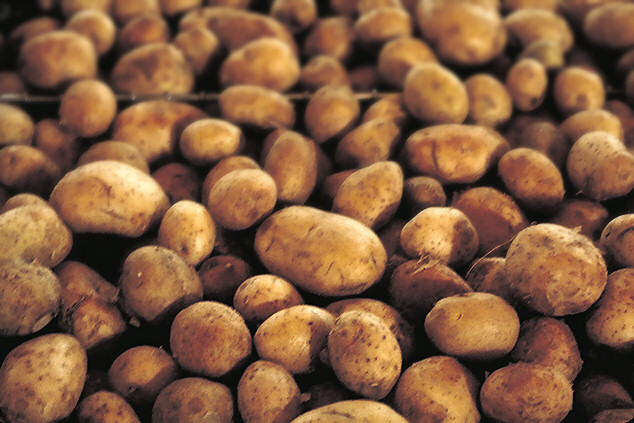
Walk into a supermarket and you may see five or six kinds of potato. That is a tiny sample. There are over 4,000 varieties of potato in the world, and most of them grow in the Andes, where farmers have kept them alive for thousands of years. Knowing the difference between a floury potato and a waxy one is the difference between a fluffy mash and a gluey one.
In short
There are over 4,000 potato varieties worldwide, with about 50 major commercial types dominating agriculture. Peru alone keeps over 3,000 native varieties. Potatoes fall into three cooking groups — starchy (floury), waxy, and all-purpose. The most planted variety in the United States is the Russet Burbank (about 40% of acreage); Britain's favourite is Maris Piper; Peru's leading commercial variety is Canchan.
Three kinds of potato, three kinds of cooking
Potatoes are usually sorted by texture, which comes from their starch content. Starchy or floury potatoes, like Russet Burbank and King Edward, have high starch (20–22% dry matter) and low moisture: they bake up fluffy and dry, mash smoothly, and fry crisply, but they fall apart in soup. Waxy potatoes, like Red Norland, Nicola, and the French fingerling Ratte, have lower starch (12–15%) and higher moisture: they hold their shape when boiled, so they are the right choice for potato salads and gratins. All-purpose potatoes, like Yukon Gold, Maris Piper, and Désirée, sit in between and do most jobs well.
The rule is simple: floury for baking and mashing, waxy for salads and boiling whole, all-purpose when you are not sure. Using the wrong kind is the most common reason a mash turns gluey or a salad turns to mush.
The famous varieties
The Russet Burbank is the most planted potato in the United States, about 40% of acreage. It began with a seedling found by the horticulturist Luther Burbank in 1872; a rough-skinned mutation discovered later in Colorado gave it the "russet" name. Its long shape and high starch make it the world's leading french fry potato, and the variety McDonald's suppliers rely on.
Britain's Maris Piper, bred in the 1960s, holds about 16% of the UK market and is the chip-shop favourite. Yukon Gold, bred at the University of Guelph in Canada and released in 1980, was inspired by Peru's yellow papa amarilla and has golden flesh that needs little butter. King Edward, named for the coronation of 1902, is still a British roasting favourite. And the Irish Lumper, the high-yielding white potato of the Great Famine, survives in seed collections as a warning: it fed millions, and its lack of disease resistance helped cause a catastrophe.
The Andean treasure chest
Peru and Bolivia hold 3,000 to 5,000 native potato varieties — more diversity than anywhere else on Earth. They come in purple, red, blue, and yellow, in shapes from round to finger-like, and each is adapted to a particular altitude, soil, and frost pattern. Individual farming communities in the Peruvian Andes grow 50 to 200 distinct varieties each.
The International Potato Center (CIP) in Lima keeps the world's largest potato genebank, with about 9,000 active accessions including wild relatives and traditional landraces, collected from more than 100 countries. That diversity is insurance: when a new disease or a changing climate threatens the handful of commercial varieties the world depends on, breeders go back to the Andean genebank for resistance genes. The future of the potato is stored in Peru.
Sources: Potatopedia, "Potato Varieties: 50+ Types and Their Uses"; Potatopedia, "How many potato varieties exist in the world?"; Wikipedia, "History of the potato" Checked 27 November 2026.