Potatoes in World Cuisine
The potato is the most travelled food in history. It left the Andes 450 years ago and was adopted by almost every cuisine it met — not as a foreign import, but as if it had always belonged there. Today it is hard to imagine Irish, Indian, German, or Peruvian cooking without it, and each country has made it unmistakably its own.
In short
The potato has been adopted into almost every cuisine on Earth since leaving the Andes in the 16th century. Peru keeps it in causa and papa a la huancaína; Ireland in colcannon, champ, and boxty; India in aloo gobi and samosas; Italy in gnocchi; Germany in potato dumplings and salads; and the Andes still eat chuño, the freeze-dried potato invented about 4,000 years ago.
At home in the Andes
In Peru, the potato never left. Causa limeña layers mashed yellow potato with lime, chilli, and tuna or chicken; papa a la huancaína serves boiled potatoes in a spicy cheese sauce; and papa rellena stuffs mashed potato with spiced meat. Above all, the high Andes still eat chuño — the freeze-dried potato made by freezing tubers at night and drying them in the sun, a technique about 4,000 years old. With more than 3,000 native varieties, Peruvians can choose a potato for every dish, and the potato is a point of national pride.
Ireland and Britain
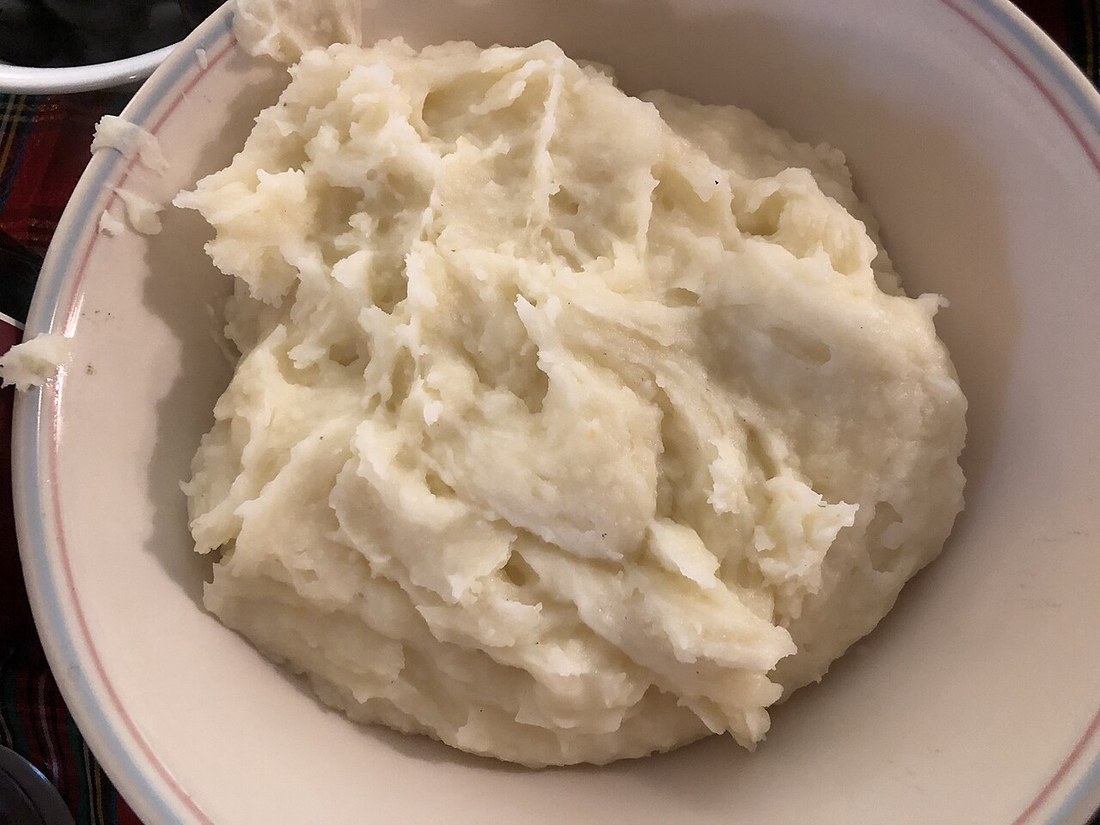
Ireland built a whole family of potato dishes: colcannon (mashed potato with cabbage or kale), champ (mashed potato with spring onions and butter), boxty (a potato pancake), and potato bread. In Britain, the potato became roast potatoes with Sunday lunch, jacket potatoes, and the chip-shop chip — and in Scotland, the same mashed-potato idea appears as clapshot with turnips. These are comfort foods, and they are all built on the potato's talent for absorbing butter, milk, and flavour.
Europe and beyond
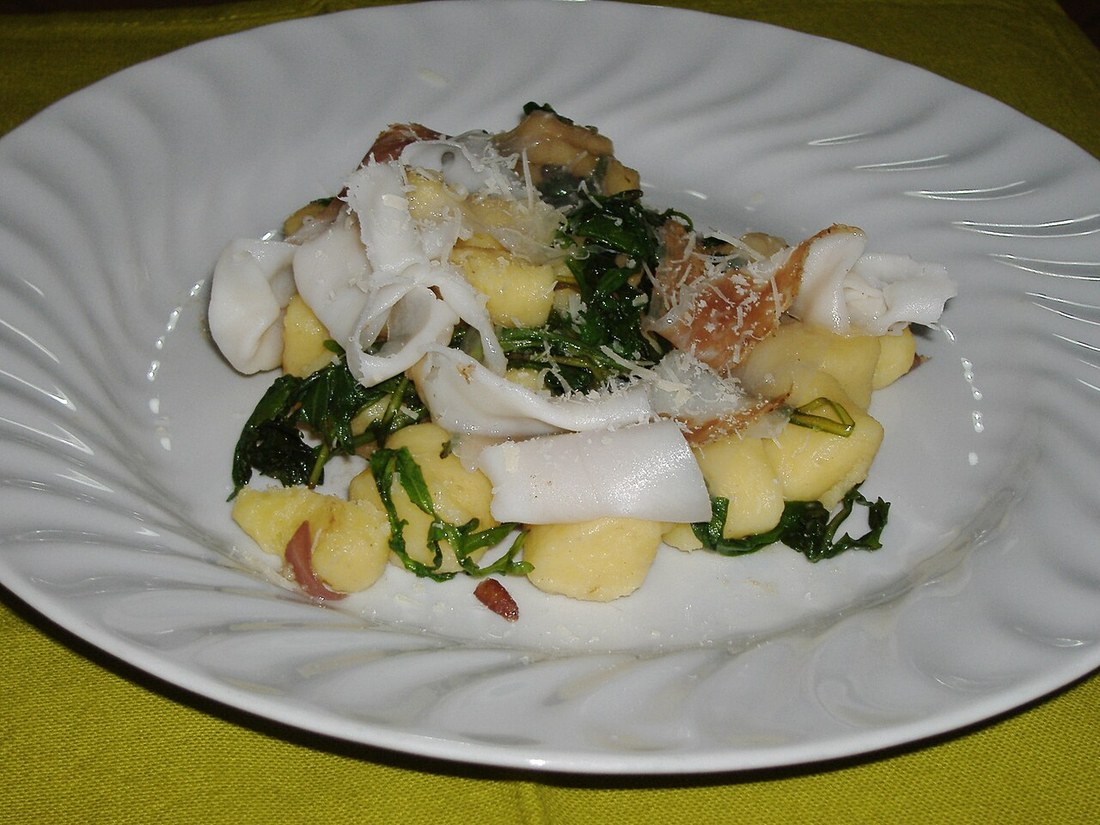
Italy turned the potato into gnocchi, small dumplings made from mashed potato and flour, and into countless soups and frittatas. Germany has potato dumplings (Kartoffelklöße), potato pancakes (Reibekuchen), and warm potato salad with bacon and vinegar. In Eastern Europe, the potato fills pierogi and latkes. Spain fries it for patatas bravas and folds it into tortilla española, the potato omelette.
In India, the potato — aloo — arrived with European traders and was adopted so completely that it is now a staple: aloo gobi (potato and cauliflower), aloo paratha (potato-stuffed flatbread), dum aloo, and the potato filling of the samosa. In China, potatoes are stir-fried with vinegar and chilli as a vegetable dish, and in Africa they appear in stews and as fried snacks. A crop from one mountain range now belongs to every kitchen on Earth.
Sources: Wikipedia, "History of the potato"; Shun Culture, "Potato: Ireland's staple, and when it is eaten"; Potatopedia, "Andean Potato Origins: 8,000 Years of History" Checked 27 November 2026.