The Potato in Ireland
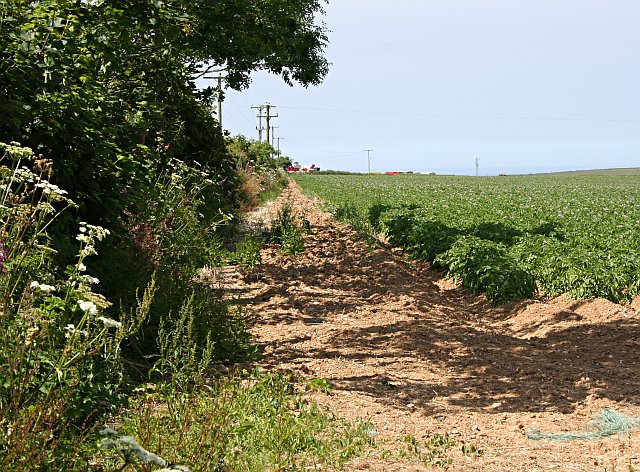
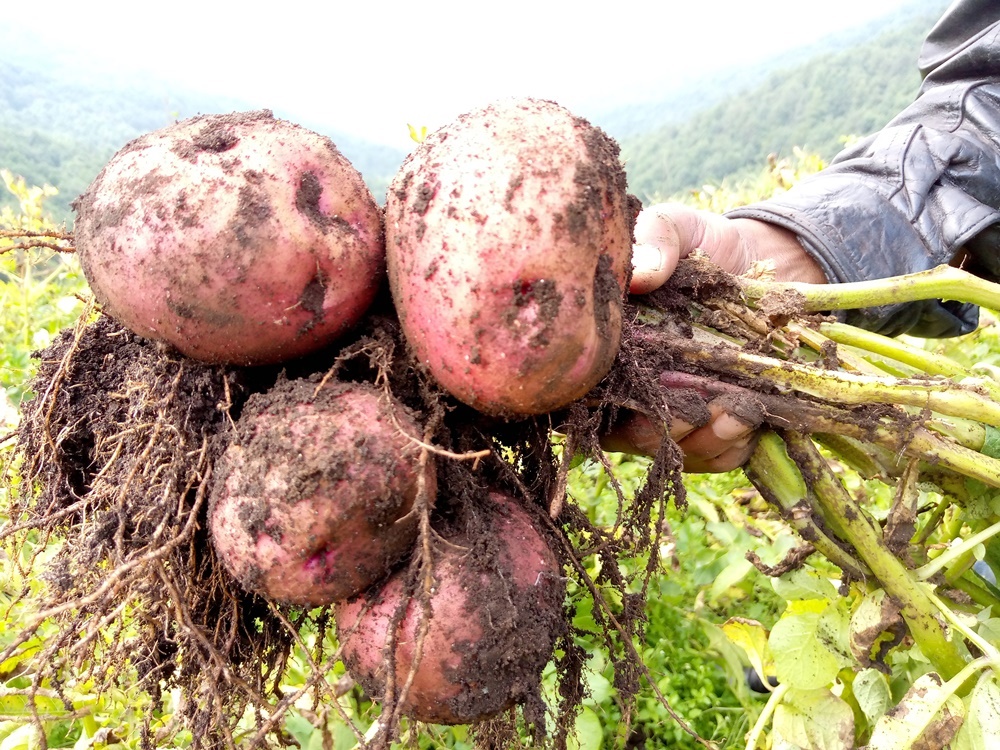
No country is as bound up with the potato as Ireland. The tuber arrived as a garden curiosity in the late 1500s, and within two hundred years it was the whole diet of the rural poor — potatoes and buttermilk, three times a day. It fed a population boom that no other crop could have fed. And it set the trap that the blight of 1845 would spring.
In short
The potato reached Ireland in the second half of the 16th century and by the 1700s was the main food of the rural poor. Ireland's population grew from about 2 million in the early 1700s to about 8.5 million by the 1840s, fed largely on potatoes and buttermilk. By 1845, about a third of the population relied almost entirely on the potato, much of it a single high-yielding but disease-prone variety, the Lumper.
How the potato came to Ireland
How the potato first reached Ireland is still debated. The popular story credits Sir Walter Raleigh, who owned estates at Youghal in County Cork in 1588–1589, and says his gardener planted potatoes there. Other accounts say Spanish ships wrecked off the Irish coast in 1589 spilled barrels of potatoes ashore, or that Basque fishermen or Spanish traders brought them. The Oxford Companion to Food calls the Raleigh story the most plausible of the tales, but notes that the arrival is "the subject of much conjecture and debate". What is certain is that the potato was in Ireland by the late 16th century, and an established feature of the Irish diet by the end of the 17th.
Ireland suited the potato. It gave far more food per acre than grain, grew in poor, wet soil, and needed little more than a spade and a small plot. A family could feed itself from a tiny holding plus the milk of a single cow, and the potato supplied vitamin C — something grain diets lacked. By the end of the 18th century, it had displaced cereals and dairy as the main food of the cottier class and the landless labourers.
A diet of potatoes and milk
At the height of potato dependence, the average adult man in Ireland ate about 10 to 14 pounds (about 4.5 to 6.5 kilos) of potatoes a day, mostly with skimmed milk or buttermilk. The combination was monotonous but adequate: potatoes supplied energy, vitamin C, and potassium, and milk supplied protein and fat. An acre of potatoes and the milk of one cow could keep a family alive — which is why landlords could rent out tiny plots and still collect rent.
The population boom was extraordinary. Ireland's population roughly doubled in the 1700s, from about 2 million to about 4 million, and doubled again to about 8 to 8.5 million by the early 1840s. The potato made that growth possible — and it also made it fragile, because the whole system rested on one crop.
One variety, one risk
By the middle of the 19th century, the potato of choice was the Lumper: a high-yielding white variety that was bland, wet, and poorly resistant to disease. By 1845, potatoes covered about a third of Ireland's arable land, and much of it was Lumper. Growing a single variety over a huge area is a gamble — if a disease can attack that variety, it can attack everywhere at once. That is exactly what happened in 1845, when potato blight arrived from North America and found a country with almost nothing else to eat.
Sources: Oxford Companion to Food, "Ireland and the Potato"; Wikipedia, "Great Famine (Ireland)"; Shun Culture, "Potato: Ireland's staple, and when it is eaten" Checked 27 November 2026.