The Potato Industry Today
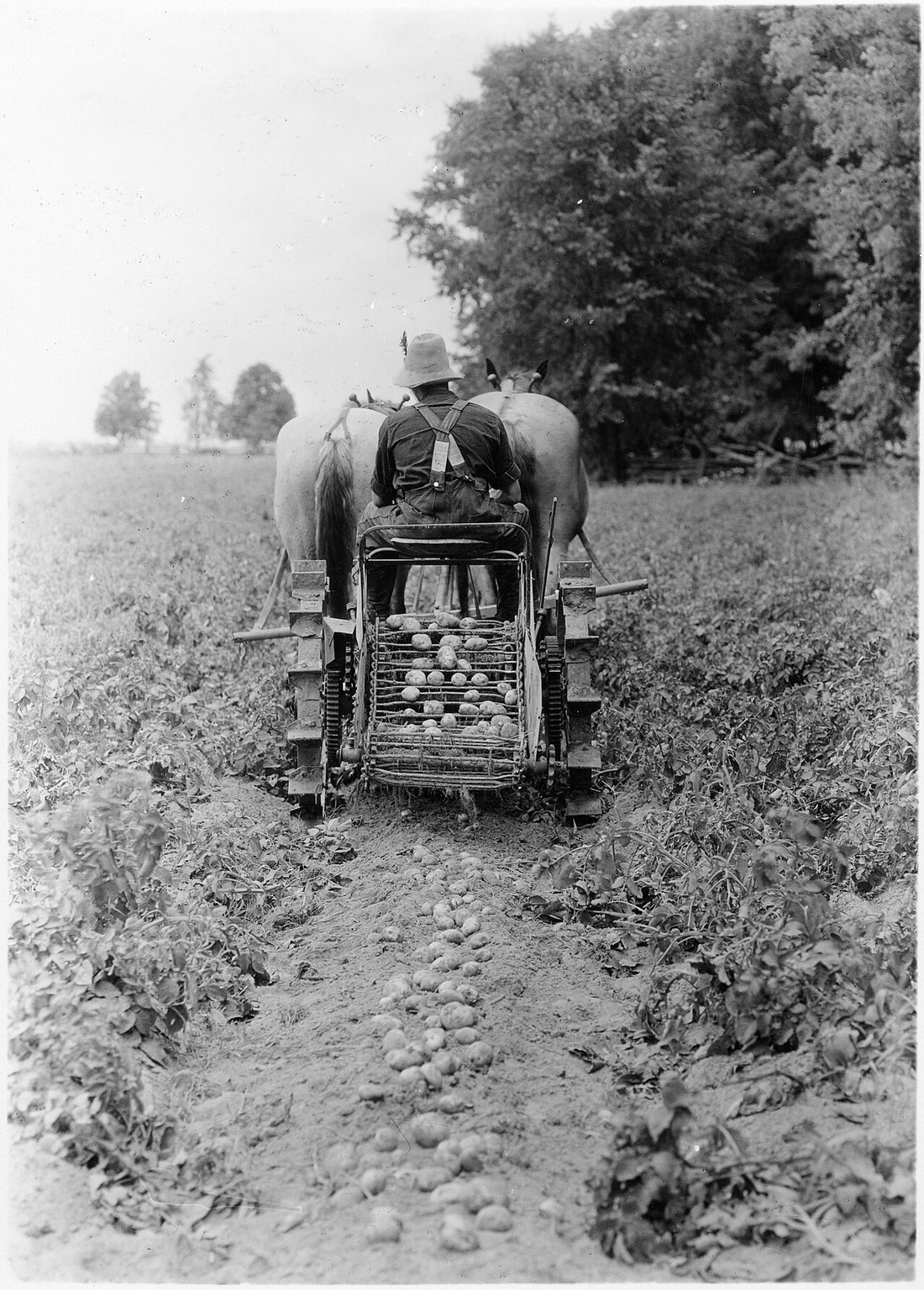
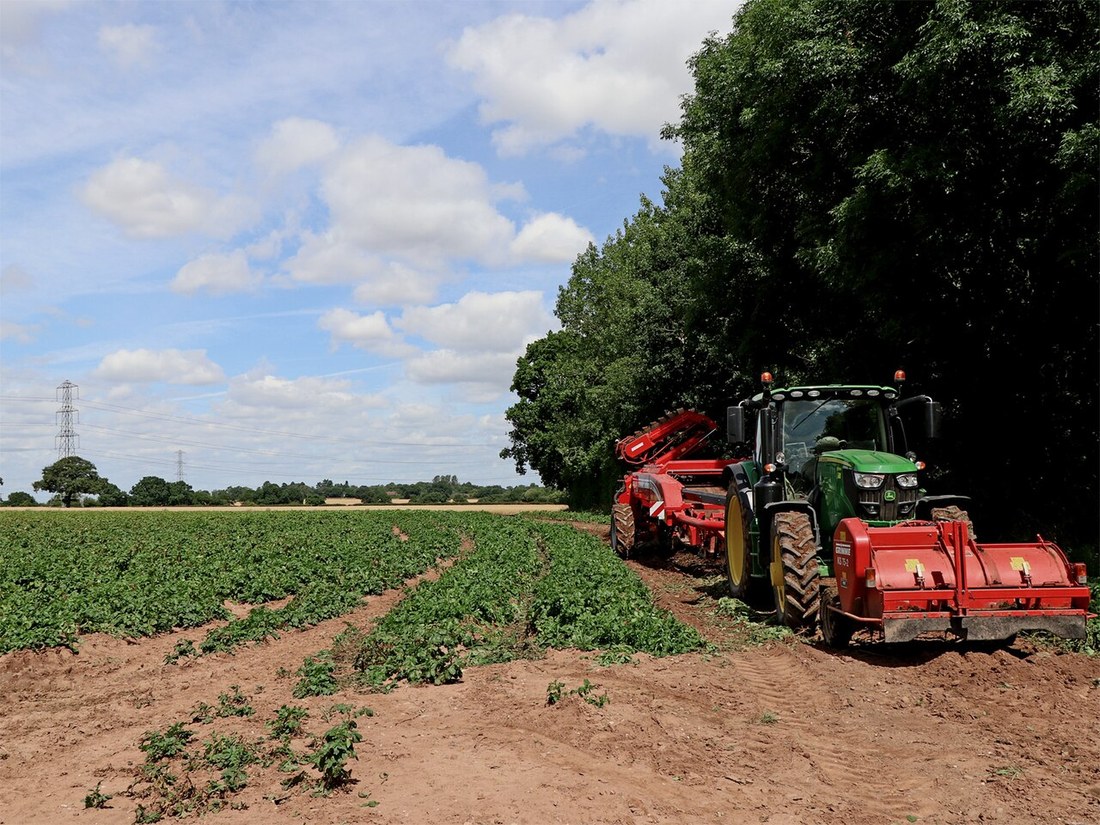
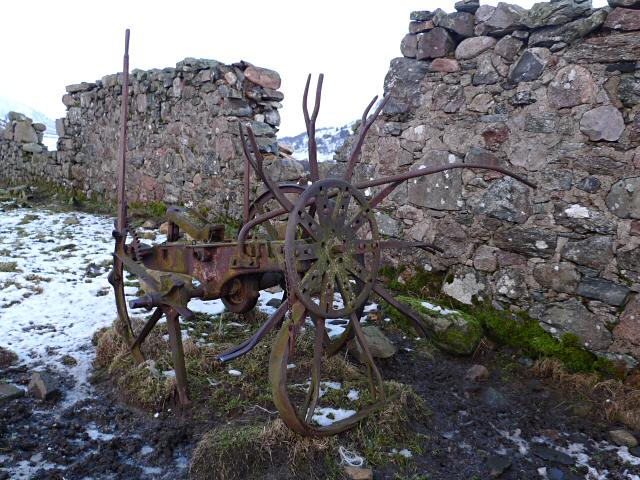
The potato is now a global industry worth tens of billions of dollars, grown in more than 100 countries and processed in factories that run day and night. China grows a quarter of the world's crop, India is second, and a fifth of the harvest never reaches a dinner plate as a potato — it becomes fries, crisps, starch, and animal feed.
In short
World potato production was about 383 million tonnes in 2023, according to FAO data, grown on about 16.8 million hectares in more than 100 countries. China led with about 93.5 million tonnes, followed by India with about 60.1 million tonnes, then Ukraine, the United States, and Russia. About a fifth of the crop in developed countries is processed into frozen fries, crisps, starch, and other products.
Who grows the world's potatoes
The map of potato production has shifted east. According to FAO data, global production reached about 383 million tonnes in 2023, grown on about 16.8 million hectares. China produced about 93.5 million tonnes — roughly a quarter of the world total — and India about 60.1 million tonnes. Ukraine, the United States, and Russia follow, with Germany, Bangladesh, France, and Poland also in the top ten. Asia now grows about 46% of the world's potatoes, and developing countries account for more than half of output — a sharp change from a century ago, when Europe dominated.
The biggest growers are not the biggest eaters per person. Belarus, Ukraine, and Poland eat the most potatoes per head, while China and India grow the most in total. The United States grows about 20 million tonnes a year, mostly in Idaho, Washington, and Wisconsin, and the Russet Burbank covers about 40% of American potato acreage.
Processing: the factory potato
A growing share of the crop is processed rather than sold fresh. In developed countries, roughly a fifth of potatoes are turned into frozen french fries, crisps, dehydrated flakes, and starch. The frozen fry trade is dominated by a handful of companies — Lamb Weston and Simplot in the United States, McCain in Canada, and Farm Frites and Aviko in the Netherlands and Belgium — and it runs on specific varieties bred for frying: Russet Burbank in North America, Innovator and Agria in Europe, Shepody in Canada.
Potato starch is used far beyond food: in paper, textiles, adhesives, and biodegradable packaging. And the potato is still a seed business — most commercial potatoes are grown from certified seed tubers, not from true seed, and the seed trade is a major industry in the Netherlands, Scotland, and Germany.
The challenges: disease, water, and climate
The industry's biggest risk is still disease. Late blight costs the world billions of dollars a year in lost crops and fungicides, and new strains keep appearing. Potato cyst nematodes, tiny soil worms, can make fields unusable for years. Breeders answer with resistance genes taken from wild Andean relatives — one more reason the genebank in Lima matters to every fry factory on Earth.
Climate change adds pressure: potatoes are a cool-season crop and suffer in heat, and they need steady water while tubers form. Growers are moving to higher ground, adopting drought-tolerant varieties, and using precision irrigation. The potato that survived 8,000 years of Andean frost now has to survive a warming world — and the varieties that will do it are, once again, most likely to be found in the Andes.
Sources: PMC, "The Global Potato-Processing Industry" (FAO 2023 data); IndianPotato, "Global Potato Production Reaches New Heights in 2023" (FAOSTAT); Potatopedia, "Potato Varieties: 50+ Types and Their Uses" Checked 27 November 2026.