Potatoes and Nutrition
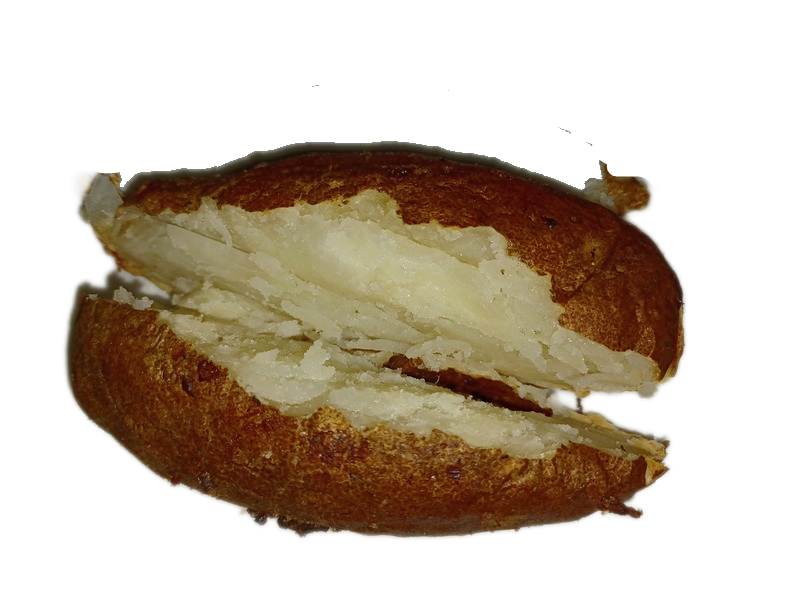
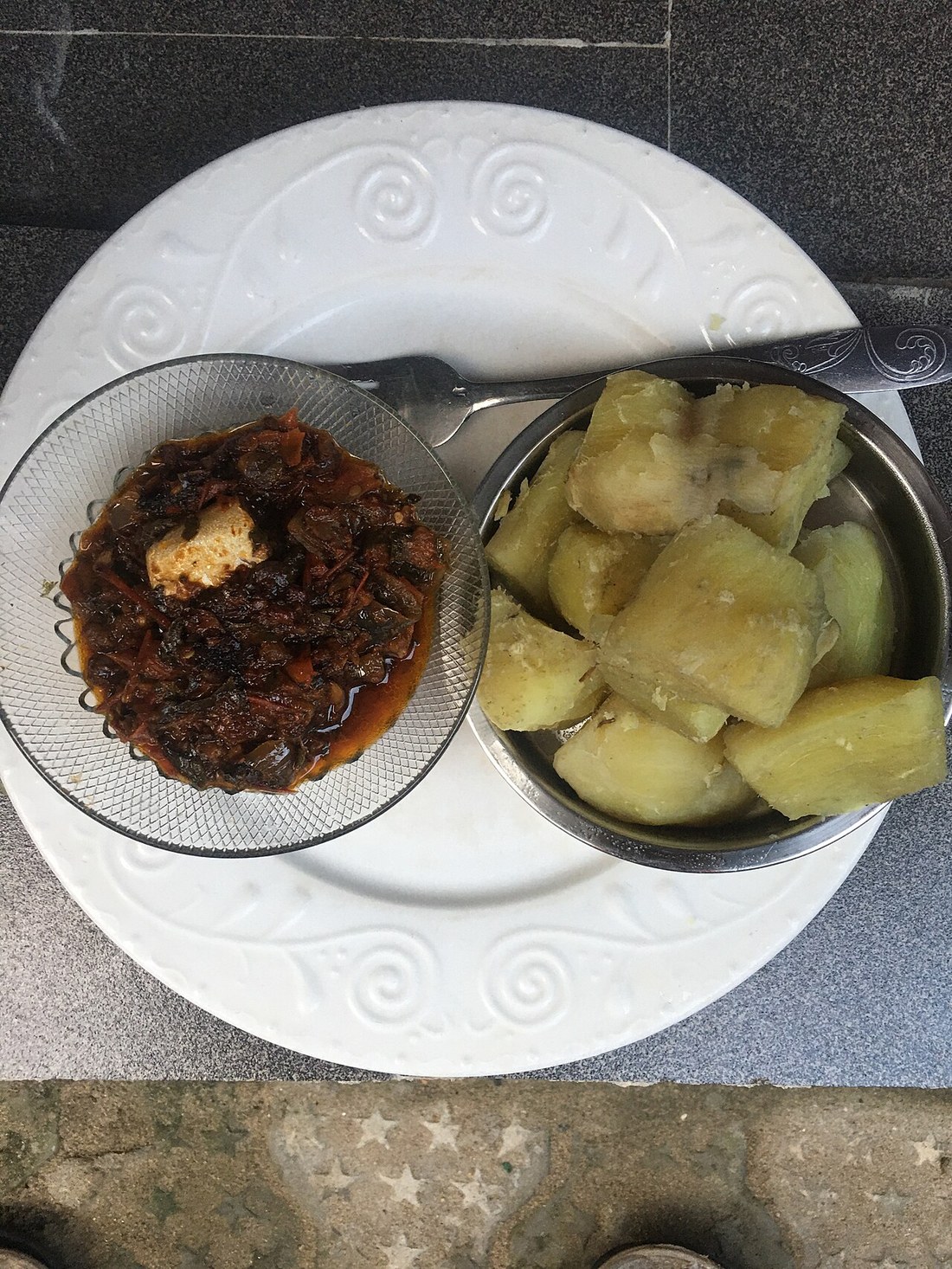
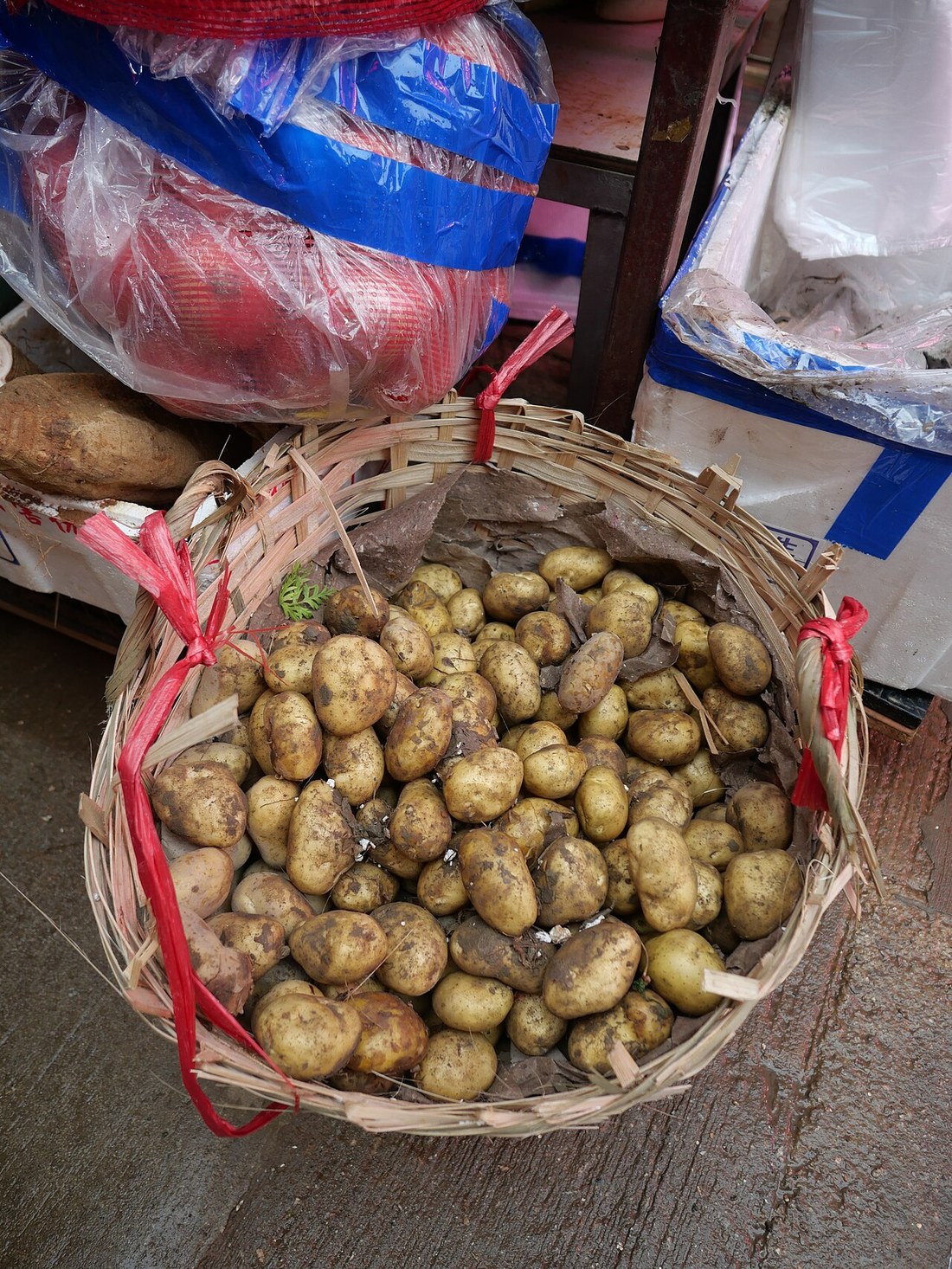
The potato has a bad reputation it does not deserve. It is blamed for the calories of the butter, cheese, and frying oil that people put on it — but a plain boiled or baked potato is fat-free, filling, and rich in vitamin C and potassium. It is one of the most nutritious foods you can grow in a garden, and it kept whole populations alive through winters when nothing else would grow.
In short
A plain potato is naturally fat-free and, per 100g raw, has about 77 calories, 17.5g of carbohydrate, 2.1g of fibre, and 19.7mg of vitamin C (about 22% of the daily value) and 421mg of potassium, according to USDA FoodData Central. A medium baked potato (173g) has about 161 calories and 926mg of potassium — more than a banana. The potato itself is not fattening; frying it and loading it with butter, cheese, or sour cream adds the fat and salt.
What is actually in a potato
The figures come from the US Department of Agriculture's FoodData Central database. Per 100g of raw potato with skin: about 77 calories, 17.5g of carbohydrate, 2.1g of fibre, 2g of protein, almost no fat (0.09g), 421mg of potassium, 19.7mg of vitamin C, and useful amounts of vitamin B6 and magnesium. Cooking changes the numbers a little — baking with the skin keeps most of the vitamin C, boiling loses some to the water — but the picture stays the same: a starchy, filling food that is far more nutritious than its reputation suggests.
The potassium is worth noting. A medium baked potato (173g) contains about 926mg of potassium — more than a medium banana (about 422mg) — and potassium helps regulate blood pressure. The vitamin C is also real: a potato is one of the few sources of vitamin C that survives the winter in a cold climate, which is why scurvy was rare in potato-eating populations while it struck grain-eating ones.
Why potatoes got a bad name
The potato's reputation comes from how it is usually served. Chips (fries) cooked in oil have about 536 calories per 100g, against 93 for a baked potato — the extra energy is the oil, not the potato. A baked potato loaded with butter, cheese, and sour cream can carry several hundred extra calories. And potato crisps (chips) are fried thin and salted, so a small bag packs a lot of fat and salt for very little food.
The glycaemic index — how fast a food raises blood sugar — also varies: boiled potatoes score lower than baked ones, and potatoes that have been cooked and cooled (as in a potato salad) develop resistant starch, which feeds gut bacteria and raises blood sugar more slowly. None of this makes the potato unhealthy; it makes the cooking method and the toppings the thing to watch.
The green potato warning
One warning is genuine. Potatoes exposed to light turn green and produce solanine and related glycoalkaloids — the same bitter compounds Andean farmers bred out of the potato thousands of years ago. Green or sprouted potatoes taste bitter and can cause stomach upset, and in large amounts solanine is poisonous. The rule is simple: store potatoes in the dark, cut away any green parts and sprouts generously, and throw away potatoes that are green all through or taste bitter. Cooked potatoes do not lose solanine in cooking, so trimming matters more than boiling longer.
For most people, the honest summary is this: a plain potato, boiled or baked with its skin, is a nutritious, filling, cheap staple — one of the best foods per hectare on Earth. It is what we add to it that decides whether it is a healthy meal or a fast-food one.
Sources: MyHealthCare, "Potatoes: Nutrition, Cooking Method and Health Research" (USDA FoodData Central figures); Wikipedia, "History of the potato" Checked 27 November 2026.