The Potato Today
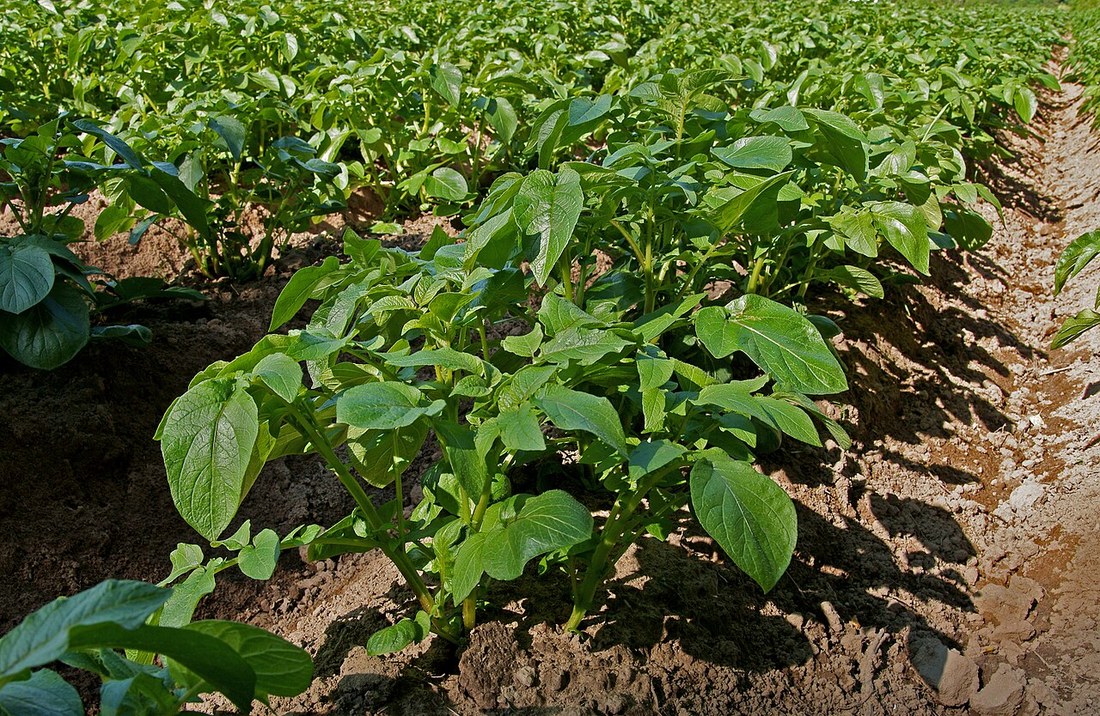
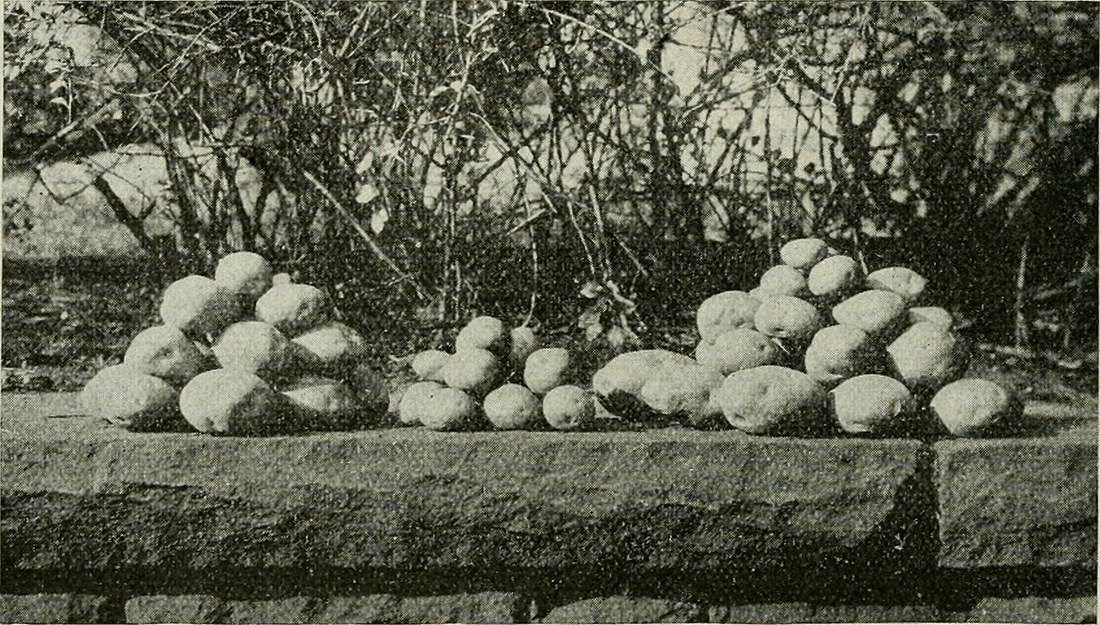
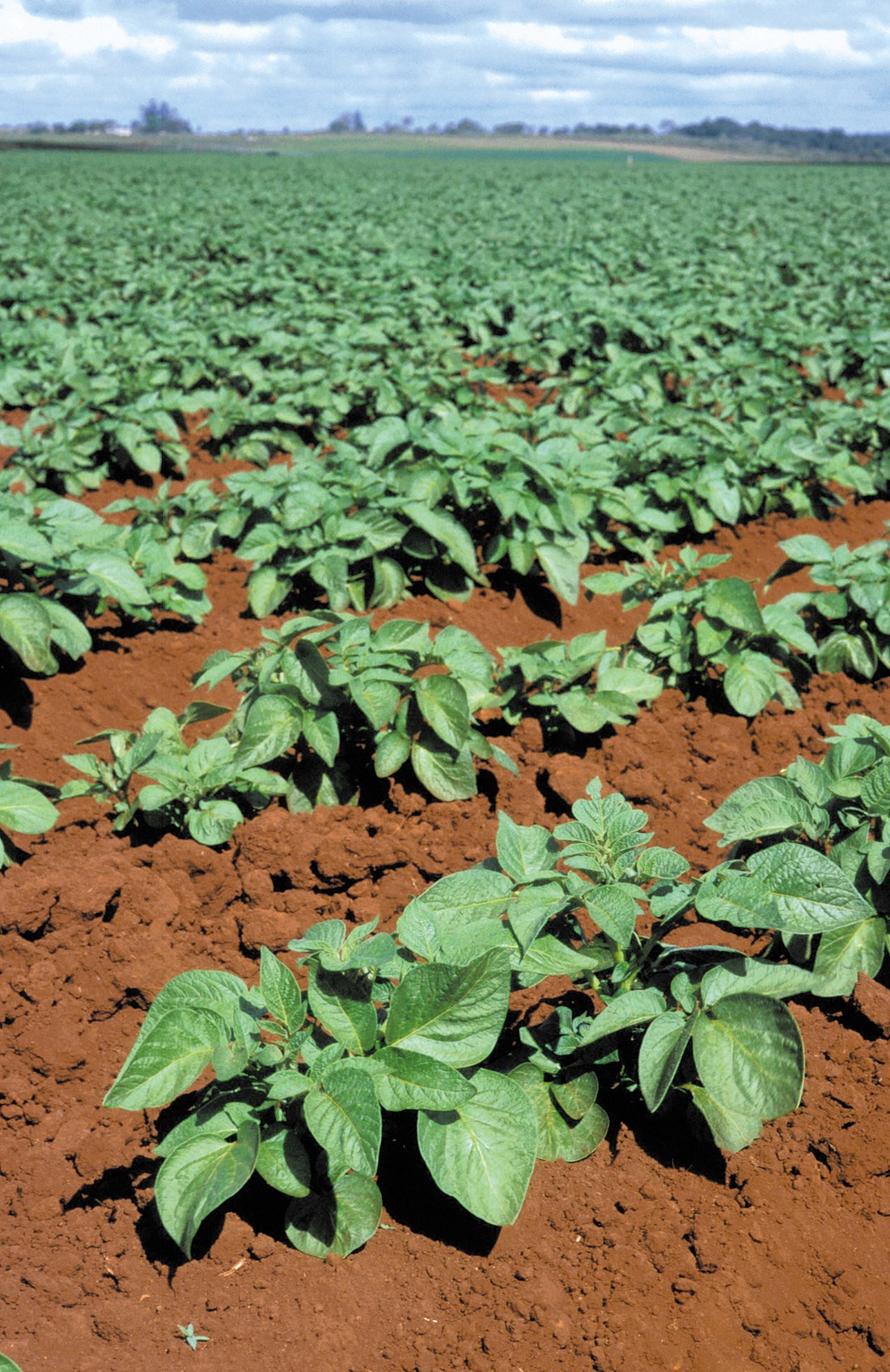
Four hundred and fifty years after it left the Andes, the potato feeds more than a billion people. It is the world's fourth most important food crop, after maize, wheat, and rice, and the only one of the four that is not a grain. It grows where grain cannot, feeds people who have little else, and carries a history — of empires, famines, and migrations — that no other vegetable can match.
In short
The potato is the world's fourth most important food crop after maize, wheat, and rice, feeding over a billion people. World production is about 383 million tonnes a year (2023, FAO), grown in more than 100 countries. The United Nations named 2008 the International Year of the Potato, and in 1995 potatoes became the first food grown in space, on the space shuttle Columbia. Its future rests on the thousands of native varieties preserved in the Andes.
The fourth staple
The potato is the world's fourth most important food crop, after maize, wheat, and rice — and the only staple that is a tuber rather than a grain. It provides essential nutrition for over a billion people, and it is the most important non-grain food crop in the world. It is grown in more than 100 countries, from the high Andes to the plains of China, and it is the crop that feeds people on poor soil, in cold climates, and on small plots where grain would fail.
The United Nations recognised that importance in 2008, naming it the International Year of the Potato, to raise awareness of the potato's role in food security and poverty reduction. The potato's efficiency is the reason: no staple gives so much food energy per hectare, per litre of water, and per day of growing season.
From the Andes to orbit
In 1995, potatoes became the first food ever grown in space, aboard the space shuttle Columbia, in an experiment run by the University of Wisconsin and NASA. The point was practical: on a long space voyage, astronauts would need to grow their own food, and the potato — productive, nutritious, and easy to grow — was the obvious candidate. The same qualities that made it the food of the Andes made it the food of orbit.
Back on Earth, the potato keeps changing. Breeders are developing varieties that resist late blight without fungicides, tolerate drought and heat, and keep their vitamin C through storage. Some are bred from wild Andean relatives; others are the product of decades of crossing. The potato of the future will look much like the potato of today — but it will carry genes from the mountains where it began.
Why the potato's story matters
The potato's story is the story of how food moves, and what happens when it does. It fed empires in the Andes, fed a population boom in Europe, caused a catastrophe in Ireland when a whole people depended on a single variety, and now feeds a quarter of humanity's staple calories from a crop that began in one mountain range. The lesson runs through every guide on this site: diversity is safety, a single variety is a risk, and the knowledge that keeps food safe is worth keeping — in genebanks, in farming communities, and in memory.
The potato began as a bitter wild tuber in the high Andes. It became the food that changed the world — and it is still changing it.
Sources: Wikipedia, "History of the potato"; PMC, "The Global Potato-Processing Industry" (FAO 2023 data); Spice, "Potato History: From Andes to Global Staple" Checked 27 November 2026.